
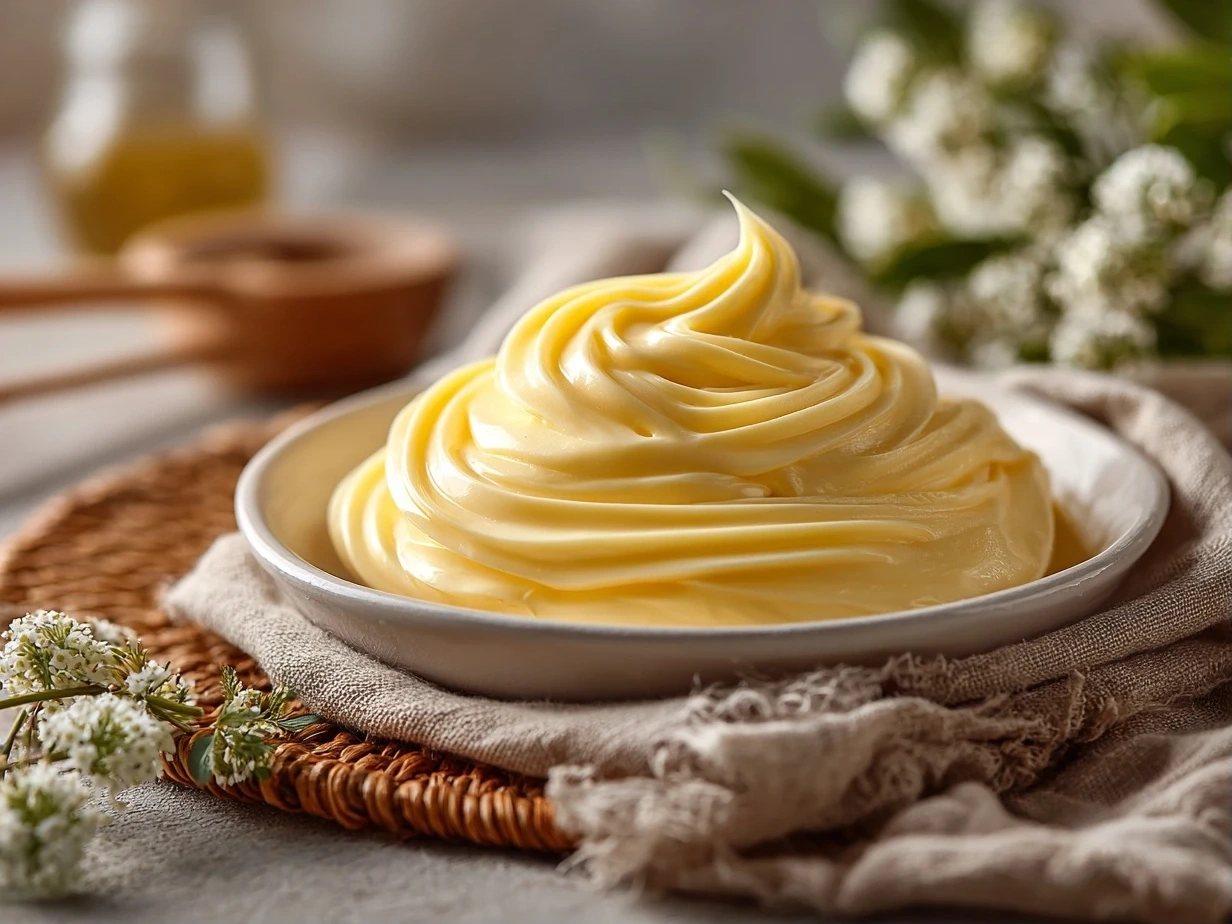
When I first fell in love with homemade mayonnaise, it wasn’t out of some fancy restaurant dish—no, it happened right in my own kitchen on a busy weeknight. I was battling dinner stress, trying to pull together a family meal that felt fresh and satisfying without resorting to store-bought shortcuts. That’s when I decided to try making homemade mayonnaise from scratch. The moment my blender whirred into life and creamy, tangy mayo formed, I knew this was going to be a game changer for my everyday cooking. There’s something about homemade mayonnaise that just feels right—rich, fresh, and free from all those preservatives you find in jars at the store. It instantly made sandwiches, salads, and even simple grill nights better.
Homemade mayonnaise fits into real-life cooking because it’s reliable and surprisingly quick once you get the hang of it. It’s that secret ingredient that elevates simple meals without any fuss. The beauty lies in the simplicity—basic ingredients you probably already have, combined carefully to make something tasty, fresh, and downright addictive. Whenever I bring out homemade mayo at gatherings or family dinners, I see the same reaction: curious glances turning into smiles with every bite. It’s a humble ingredient but one with a big impact on flavor.
If you’ve been wondering how to make mayonnaise at home but felt hesitant because it sounds tricky, I’m here to say it’s really doable. This homemade mayonnaise recipe I’m sharing isn’t complicated or fussy. It’s created for home cooks who want something dependable and delicious—nothing scary or technical, just good food made better. So, for anyone looking to add a simple homemade mayo to their kitchen arsenal, this recipe is for you. Let’s dive into what you’ll need and how to make the best homemade mayonnaise your kitchen has ever seen.
What You’ll Need:
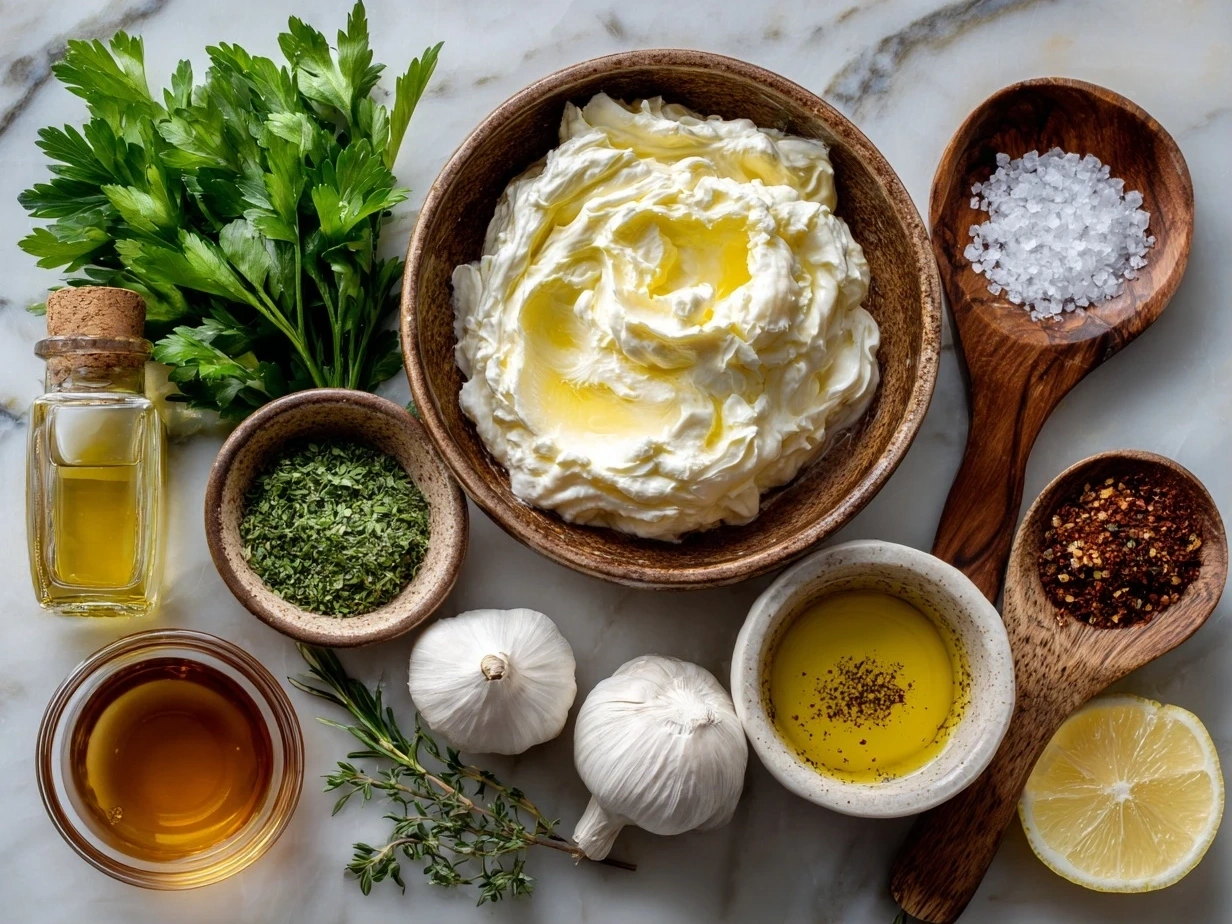
For this homemade mayonnaise, you won’t have to hunt down any exotic ingredients. It’s all straightforward basics you likely already stock. Here’s what you’ll need:
- 1 large egg yolk, room temperature – the base for that creamy texture
- 1 teaspoon Dijon mustard (regular mustard works in a pinch) – adds a slight tang and helps emulsify
- 1 tablespoon white wine vinegar or lemon juice – for brightness and balance
- 1 cup neutral oil (vegetable, sunflower, or light olive oil) – the heart of your homemade mayonnaise
- Salt to taste – I start with ½ teaspoon and adjust from there
- Optional pinch of sugar – to round out the flavor
No problem if you don’t have white wine vinegar. I’ve used lemon juice with great results in this homemade mayonnaise, which adds a fresh citrus note. You’ll find Dijon mustard in the regular spice aisle or near condiments at your grocery store.
This homemade mayonnaise is affordable because it relies on simple essentials you probably keep on hand. Plus, making your own means no preservatives, so the flavor is pure and fresh. Pro tip: room temperature eggs make emulsifying smoother and faster.
If you’re wondering about the oil choice, light olive oil is a personal favorite for homemade mayonnaise because it adds a mild fruity depth without overpowering, but feel free to swap in sunflower or vegetable oil for a more neutral taste. If you want to try richer homemade mayonnaise, check out this Homemade Olive Oil Mayonnaise Recipe | Paleo Mayo for an olive oil twist that’s both classic and health-conscious.
Prep tip: Whisk your egg yolk, mustard, and vinegar together before slowly adding oil—that’s the secret to silky mayo every time. Leftover homemade mayonnaise keeps well in an airtight jar in the fridge for up to a week. Just give it a quick stir before serving if it sits a day or two.
Let’s Cook It Together!
Making homemade mayonnaise is a straightforward process once you get the rhythm down. This best homemade mayonnaise recipe takes about 10-15 minutes from start to finish, and your kitchen will smell inviting and fresh the entire time. Here’s how I do it, step by step:
- Start by placing the egg yolk, Dijon mustard, and vinegar (or lemon juice) into a mixing bowl. Whisk them together gently until smooth. This little base holds everything together, so don’t rush it.
- Now, with the whisk in one hand, begin adding the oil very slowly—literally drop by drop at first. This slow start is key to getting your homemade mayonnaise to emulsify properly. Once the mayo begins to thicken and look creamy, you can start pouring the oil a little faster in a thin, steady stream.
- Keep whisking vigorously while adding all your oil. The mixture will transform from a thin, runny sauce to a pale, fluffy mayo. If you want to speed things up, use a hand blender or food processor and drizzle the oil slowly while running the motor. Either way, patience is your friend here.
- Taste your homemade mayonnaise and season it with salt. I usually add salt gradually, tasting as I go to avoid overdoing it. A pinch of sugar can be added at this point to balance the tang if you like.
- If your homemade mayonnaise looks too thick, whisk in a few drops of warm water to loosen it slightly. If it’s too thin or split, don’t worry—it’s fixable! Add a teaspoon of boiling water and whisk like crazy or start with a fresh egg yolk and slowly whisk the broken mayo in.
- Once it’s perfect, transfer your homemade mayonnaise to a clean jar, cover tightly, and refrigerate. It will thicken a little more as it chills. This is when the homemade mayonnaise reaches peak flavor and texture.
Making homemade mayonnaise repeatedly has taught me the importance of slow oil incorporation and constant whisking—especially by hand. I’ve tried shortcuts like rushing the oil pour or skipping mustard, but the results were never as consistent. Trust the process! While the mayo is coming together, you can take a moment to prep toppings or even set the table; multitasking here is a kitchen win.
If you want even easier homemade mayo, here’s a simple version you can find at Sweet River Farm’s Homemade Mayo Recipe. It uses the same basic technique but with easy step shortcuts for busy nights.
How to Serve & Enjoy It!
Homemade mayonnaise is such a versatile, delicious base that it deserves to be celebrated alongside simple dishes. I often serve this homemade mayonnaise with crispy fries or golden roasted vegetables—the creaminess perfectly balances the crisp textures and savory flavors.
It’s a staple for sandwiches at my house. A spread of homemade mayonnaise on fresh bread takes any sandwich from ordinary to a family favorite. Pair it with grilled chicken or a fresh beet salad—if you love simple combos, you’ll find my Fresh Beet Salad Health Boost recipe pairs beautifully with the richness of this homemade mayonnaise.
This homemade mayonnaise shines on the holiday table, too. I bring it out when hosting friends for Christmas brunch, slathering it on breakfast casseroles with smoky bacon and fluffy eggs. For a festive twist, stir in some fresh herbs like dill or chives right before serving.
If you have leftovers, don’t just throw them away. Toss homemade mayonnaise into potato salads, use it as a creamy dip for raw veggies, or add a spoonful to your homemade burgers from my favorite Brazilian Mounjaro Recipe Delight. Sharing homemade mayonnaise on the side often sparks a proud “wow” from guests—it’s a simple detail that feels special without extra effort.
Our family’s go-to is always a homemade mayonnaise-based aioli, customized with garlic and a squeeze of lemon. It’s a crowd-pleaser for barbecues or game nights and makes everything pop.
Your Questions Answered
Can I make this homemade mayonnaise ahead of time?
Absolutely! Homemade mayonnaise actually tastes better after sitting in the fridge for a few hours because the flavors meld. Just cover it tightly and store it in the refrigerator for up to a week.
What if I don’t have Dijon mustard—can I skip it?
I recommend including mustard as it emulsifies and adds flavor, but if you don’t have Dijon, plain yellow mustard or even a tiny pinch of dry mustard powder works well. I’ve done it plenty of times.
How do I fix homemade mayonnaise if it breaks or separates?
If your homemade mayonnaise looks runny or split, don’t panic. Start with another egg yolk in a clean bowl and whisk the broken mayo in slowly. Alternately, a teaspoon of boiling water whisked in can bring it back together.
Can I make more or less homemade mayonnaise easily?
Yes, scale the ingredients up or down in the same ratio. For example, half the egg yolk and oil for a small batch or double for a larger one.
Is homemade mayonnaise safe to eat raw since it has egg yolks?
Use the freshest eggs you can find, preferably pasteurized, especially if serving to children or those with weakened immune systems. Making homemade mayo safely is about folding in good hygiene and fresh ingredients.
Can I substitute olive oil for a different oil?
For mild flavor, light olive oil or sunflower oil is best. Extra virgin olive oil can be too strong and bitter in homemade mayonnaise for some tastes, but if you like it, give this Homemade Olive Oil Mayonnaise Recipe a try.
What’s the best way to store leftover homemade mayonnaise?
Keep it in a clean, airtight jar in the fridge. I label mine with the date and try to use it within a week. Always check for off smells or discoloration before using.
Is it possible to make mayonnaise without preservatives?
Yes! Homemade mayonnaise as I’ve described contains no preservatives and tastes fresh from the kitchen. That’s one of the reasons it’s so special and why many home cooks prefer it over store-bought jars.
Final Thoughts
Homemade mayonnaise has a special place in my kitchen repertoire. It’s one of those simple homemade mayo ingredients that transforms meals from everyday to memorable. My best homemade mayonnaise tips are always start with room temperature eggs for easy emulsification, add oil gradually while whisking constantly, and don’t skip the mustard because it helps bind everything perfectly.
I’ve experimented with tried and true variations—classic homemade mayonnaise, garlic-infused aioli, and herb-studded versions are all winners. The classic recipe gets requested most often at my table for its versatility and fresh flavor.
I hope you give this best homemade mayonnaise recipe a shot and make it your own. There’s nothing like having a batch of homemade mayonnaise ready in your fridge for quick dinners and special occasions alike. It’s reliable, tastes better than store-bought, and shows your family and friends you care about good, honest food.
For more simple, delicious recipes that pair well with homemade mayonnaise, check out my insights and favorites like Brazilian Mounjaro, Fresh Beet Salad, and Holiday Breakfast Casserole. And if you want some extra inspiration, these homemade mayonnaise recipe ideas and homemade olive oil mayonnaise can help you mix it up.
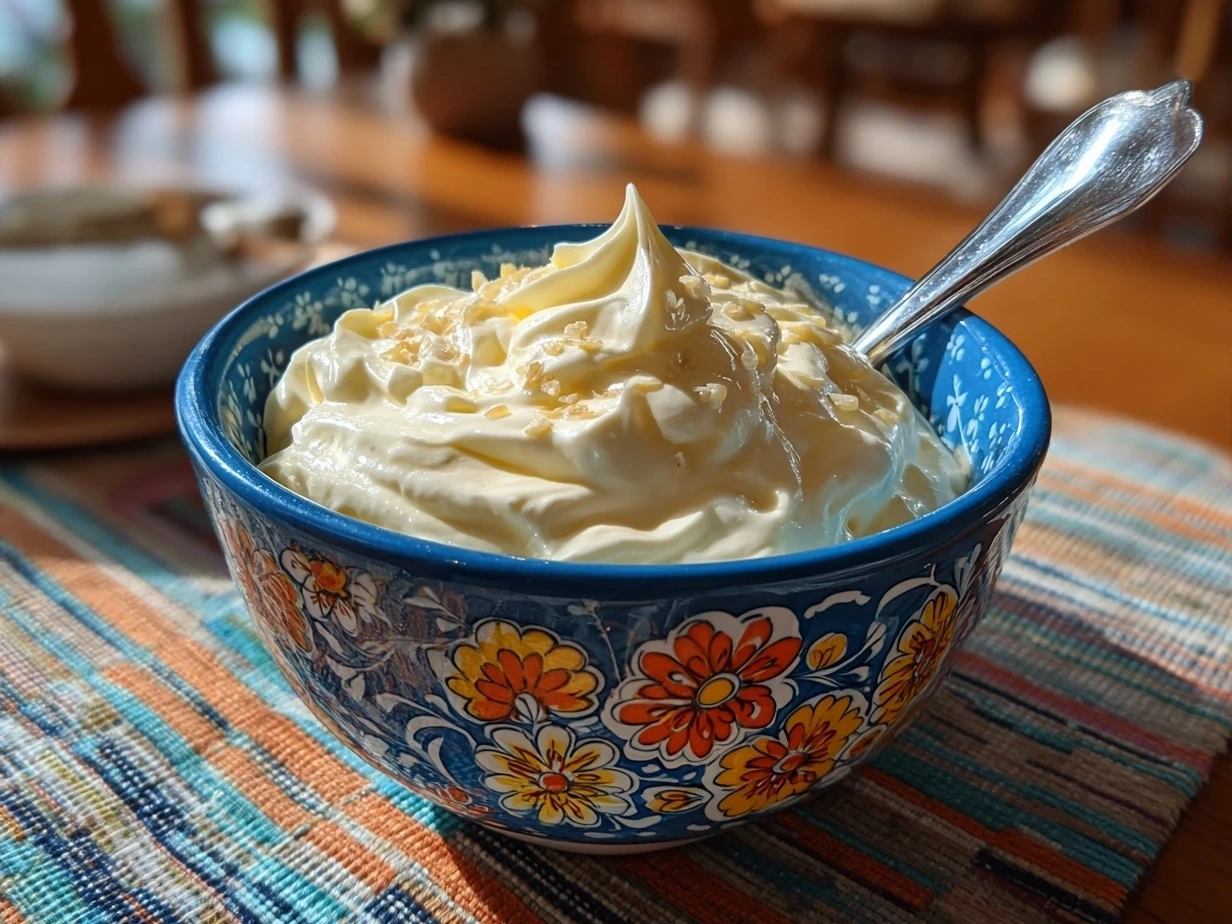
You’ve got this! Making homemade mayonnaise is straightforward and worth the small effort. Your kitchen, your taste buds, and your family will thank you.
homemade mayonnaise
Discover the rich, creamy texture of natural homemade mayonnaise made with simple ingredients, perfect for sandwiches, dips, and dressings.
- Prep Time: 10 minutes
- Cook Time: 0 minutes
- Total Time: 10 minutes
- Yield: 8 servings
- Category: Snack
- Method: No-Cook
- Cuisine: American
Ingredients
- 1 large egg yolk
- 1 teaspoon Dijon mustard
- 1 tablespoon white wine vinegar or lemon juice
- 1 cup neutral oil (such as vegetable or canola oil)
- Salt to taste
- Freshly ground black pepper to taste (optional)
Instructions
- In a medium bowl, whisk together the egg yolk, Dijon mustard, and white wine vinegar or lemon juice until combined.
- Slowly begin to drizzle the oil into the egg mixture while continuously whisking vigorously to emulsify the mixture.
- Continue adding the oil very slowly at first, until the mixture starts to thicken, then you can add it a bit faster, whisking constantly.
- Once all the oil is incorporated and the mayonnaise is thick and creamy, season with salt and freshly ground black pepper to taste.
- Refrigerate for at least 30 minutes before serving to let the flavors meld.
Notes
For a flavored twist, try adding minced garlic, fresh herbs, or a dash of hot sauce after emulsification for extra zing.